U.S. History — Semester B
Free Practice · 10 Questions · 20 min
20:00Exit
1
2
3
4
5
6
7
8
9
10
Question 1 of 10
TEKS 1A-6BEasy Word Image

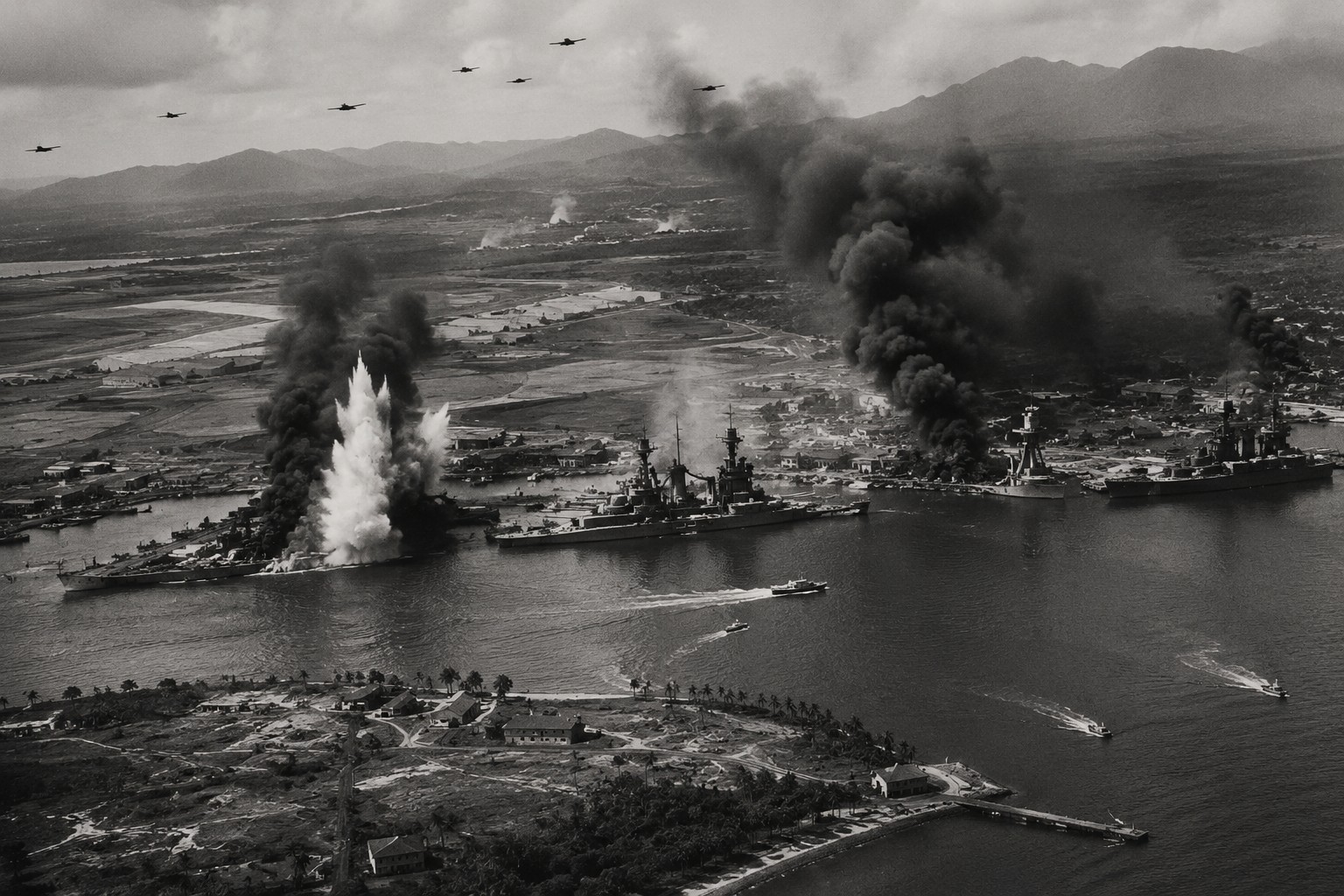
Pearl Harbor was attacked on:

Question image
AJune 6, 1944
BDecember 7, 1941
CNovember 11, 1918
DAugust 6, 1945
Explanation
📌 December 7, 1941. Japan attacked the US naval base in Hawaii. US entered WWII the next day.
Question 2 of 10
TEKS 1A-6BEasy Word Image

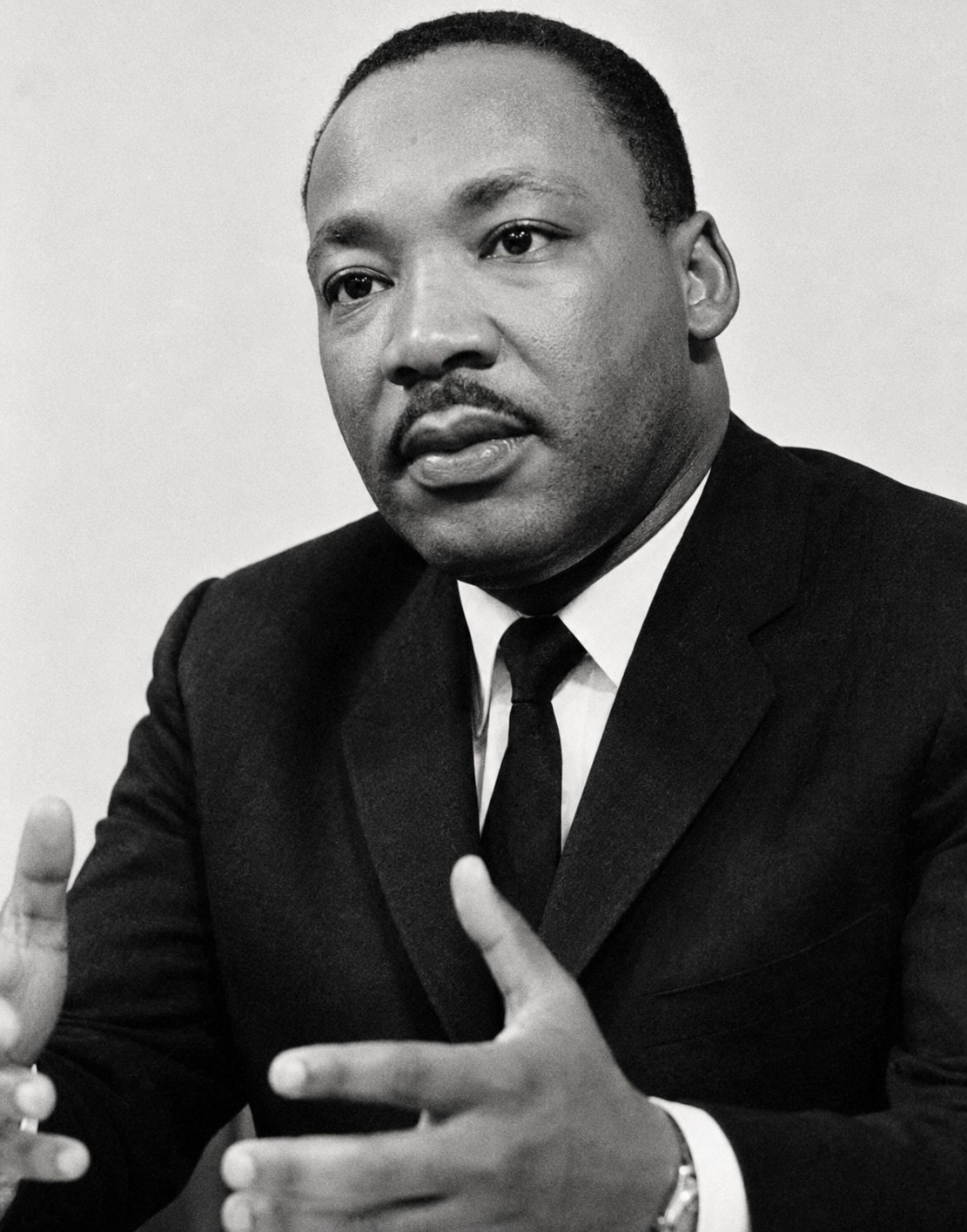
Martin Luther King Jr. is best known for:
Question image
Adrafting and signing the US Constitution
Bleading the colonists' revolt
Cleading the Civil Rights Movement
Dinventing the telephone and light bulb
Explanation
📌 Leading the Civil Rights Movement through nonviolent protest. 'I Have a Dream' speech (1963). Assassinated 1968.
Question 3 of 10
TEKS 20A-22EEasy Word Image

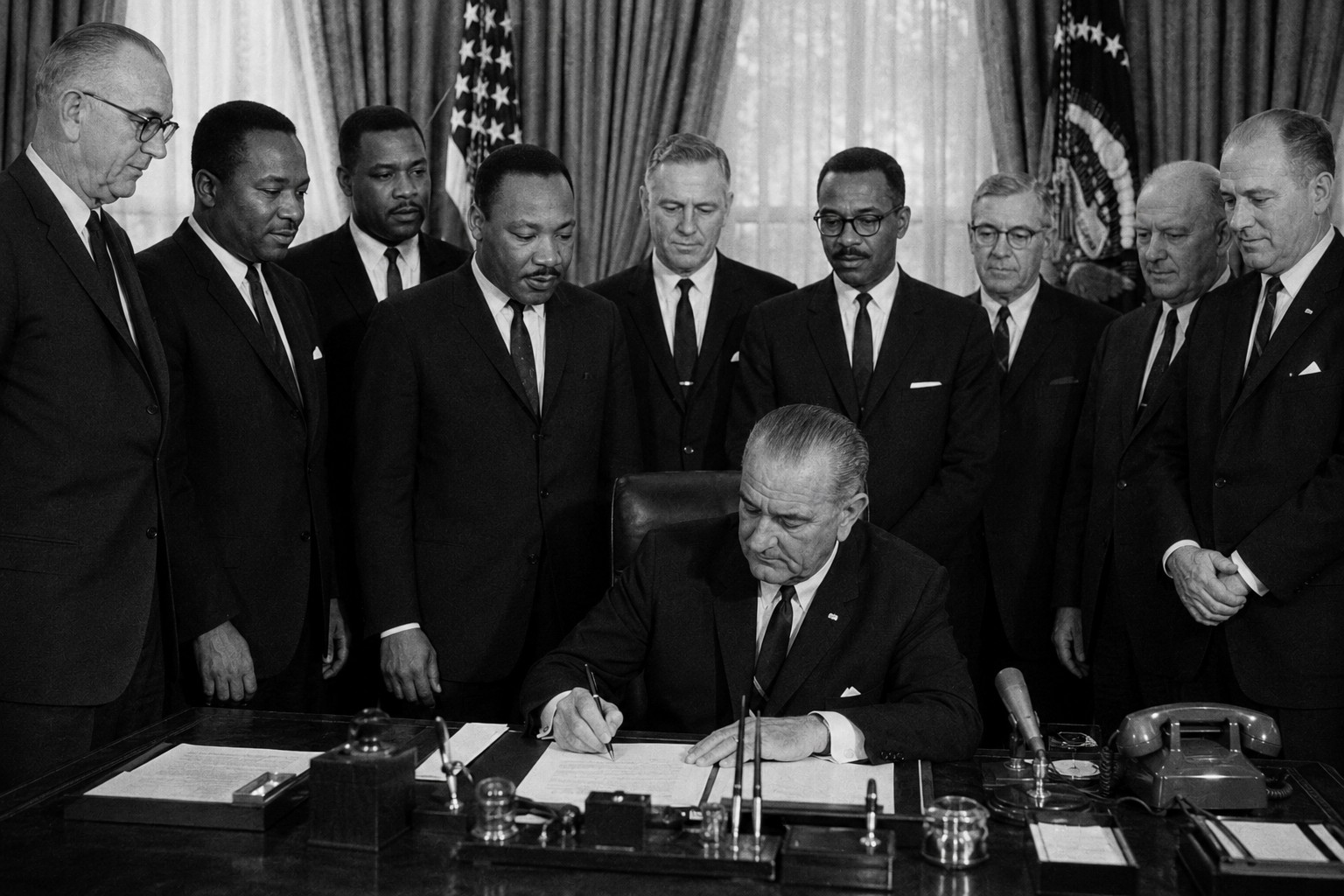
The Civil Rights Act of 1964:

Question image
Aoutlawed discrimination based on race, color, religion, sex
Bgave American women the constitutional right to vote
Cpermanently abolished slavery throughout the entire United States
Destablished a national Social Security retirement and pension system
Explanation
📌 Outlawed discrimination based on race, color, religion, sex, or national origin. Ended Jim Crow laws.
Question 4 of 10
TEKS 1A-6BEasy Word

The Cold War was between:

AUS and USSR
BUS and Japan
CUS and Germany
DUS and China
Explanation
📌 US (capitalism/democracy) vs USSR (communism). 1947-1991. Never direct military conflict → 'cold.'
Question 5 of 10
TEKS 1A-6BEasy Word Image

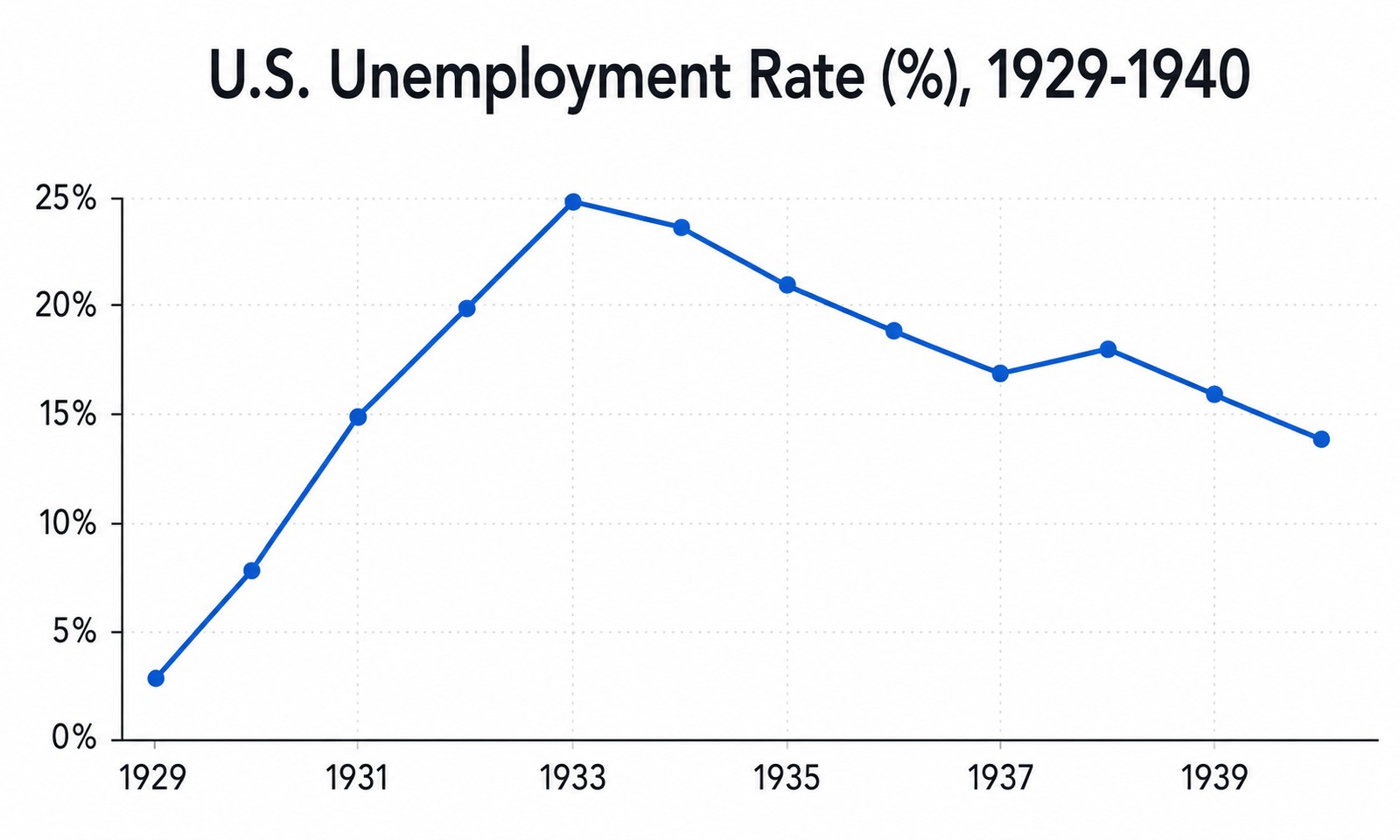
The graph shows U.S. unemployment during the Great Depression. Based on the graph, unemployment peaked in 1933 at 25%. Which program was primarily responsible for the eventual decline?

Question image
AState-level welfare programs created by governors
BPresident Roosevelt's New Deal programs
CPresident Hoover's policy of rugged individualism
DThe Federal Reserve's decision to raise interest rates
Explanation
FDR's New Deal programs (CCC, WPA, TVA, Social Security) provided jobs and economic relief, though full recovery came with WWII mobilization.
Question 6 of 10
TEKS 1A-6BEasy Word

The US entered World War I in:

A1920
B1917
C1914
D1918
Explanation
📌 1917. Reasons: unrestricted submarine warfare, Zimmermann Telegram. Allies won 1918.
Question 7 of 10
TEKS 12A-14CEasy Word

The Dust Bowl occurred primarily in:

Athe California coast
BPennsylvania
Cthe coastal Southeast
Dthe Great Plains
Explanation
📌 Great Plains (Oklahoma, Kansas, Texas) in the 1930s. Drought + poor farming → massive dust storms → migration.
Question 8 of 10
TEKS 20A-22EEasy Word Image

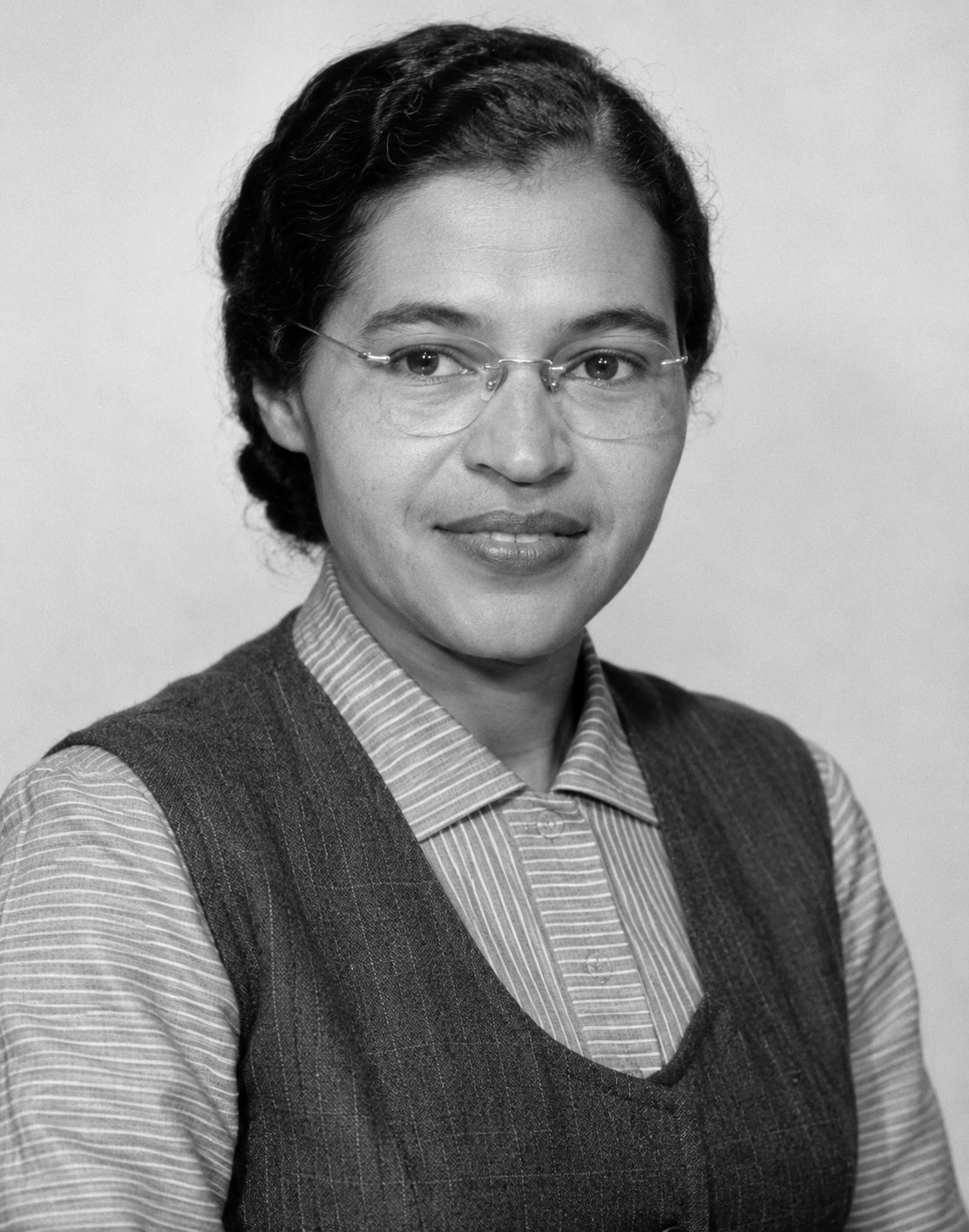
Rosa Parks is famous for:

Question image
Ahelping to write the entire U.S. Constitution
Brefusing to give up her bus seat, sparking a boycott
Cleading the entire Underground Railroad network
Dserving as the first female President of the United States
Explanation
📌 Refusing to give up her bus seat (1955, Montgomery, Alabama). Sparked the Montgomery Bus Boycott. Civil rights icon.
Question 9 of 10
TEKS 1A-6BEasy Word Image

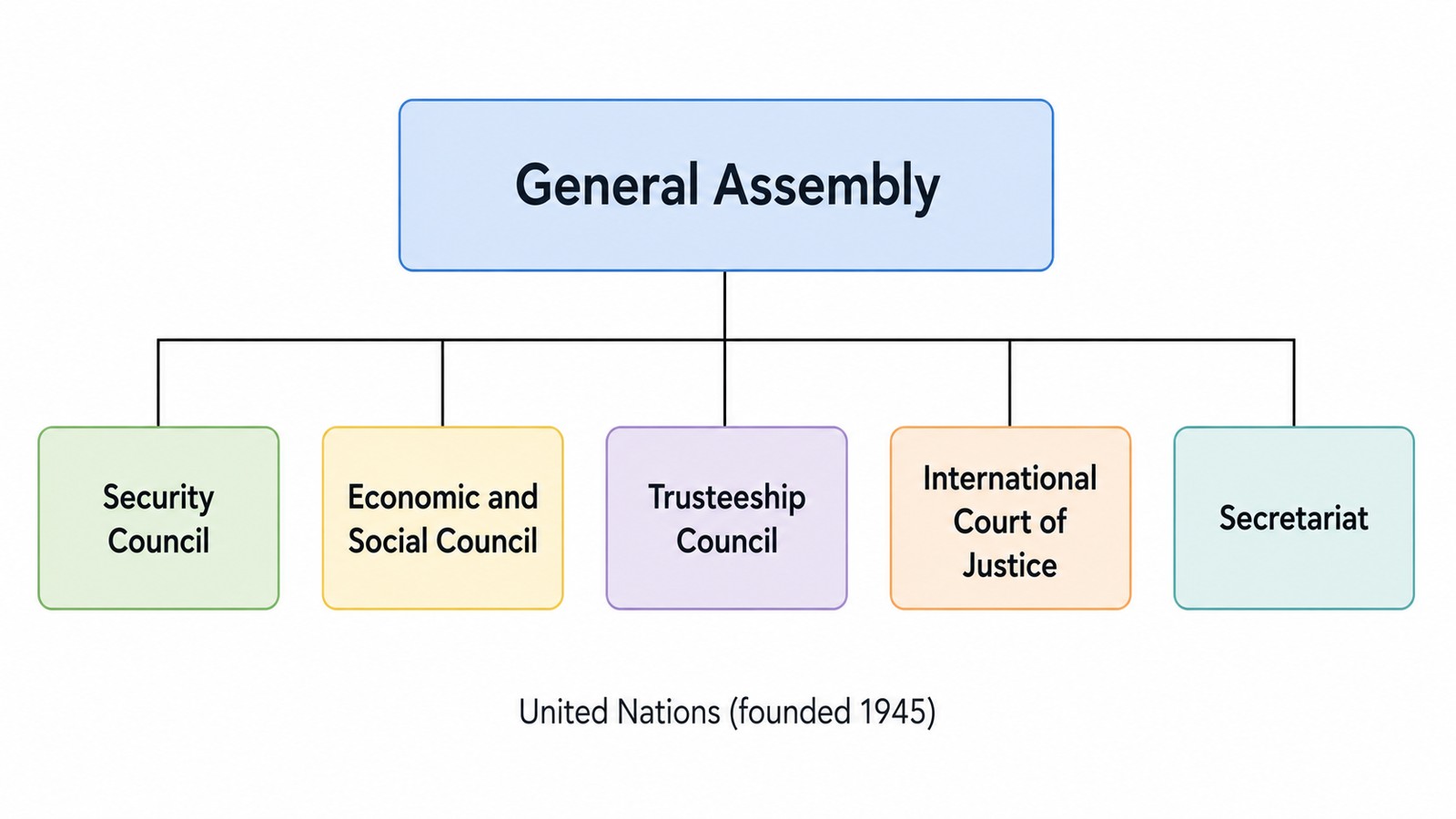
The diagram shows the structure of the United Nations, founded in 1945. What was the primary purpose of creating the United Nations after World War II?
Question image
ATo spread democracy to all nations of the world by military force
BTo establish one single, unified world government
CTo maintain international peace and prevent future world wars
DTo punish Germany and Japan for having started the war
Explanation
The United Nations was created to maintain international peace and security and prevent another world war through diplomacy and collective security.
Question 10 of 10
TEKS 1A-6BEasy Word

D-Day (June 6, 1944) was:

Athe dropping of the atomic bomb
Bthe end of WWI
Cthe Allied invasion of Normandy
Dthe bombing of Pearl Harbor
Explanation
📌 Allied invasion of Normandy, France. Largest amphibious invasion in history. Turning point of WWII in Europe.

Score
Correct
Wrong
Try Again Exit