Chemistry — Semester A
Free Practice · 10 Questions · 20 min
20:00Exit
1
2
3
4
5
6
7
8
9
10
Question 1 of 10
TEKS 1A-2DEasy Word

While transferring concentrated hydrochloric acid in the lab, a student should ALWAYS:

AWear safety goggles, an apron, and gloves, and work near the eyewash station
BUse bare hands to feel the outside of the bottle so you can check whether it feels warm before pouring
CWear only a long-sleeved shirt, since covering the skin with fabric is protection enough from splashes
DWork completely alone in the lab so that no one else can possibly be exposed to any of the acid fumes
Explanation
📌 Concentrated strong acids can cause severe chemical burns and eye damage in seconds. Standard lab safety requires goggles, apron (or lab coat), gloves, and proximity to safety equipment (eyewash, shower). Never handle reagents without PPE, and never work alone with hazardous chemicals.
Question 2 of 10
TEKS 1A-2DEasy Word Image

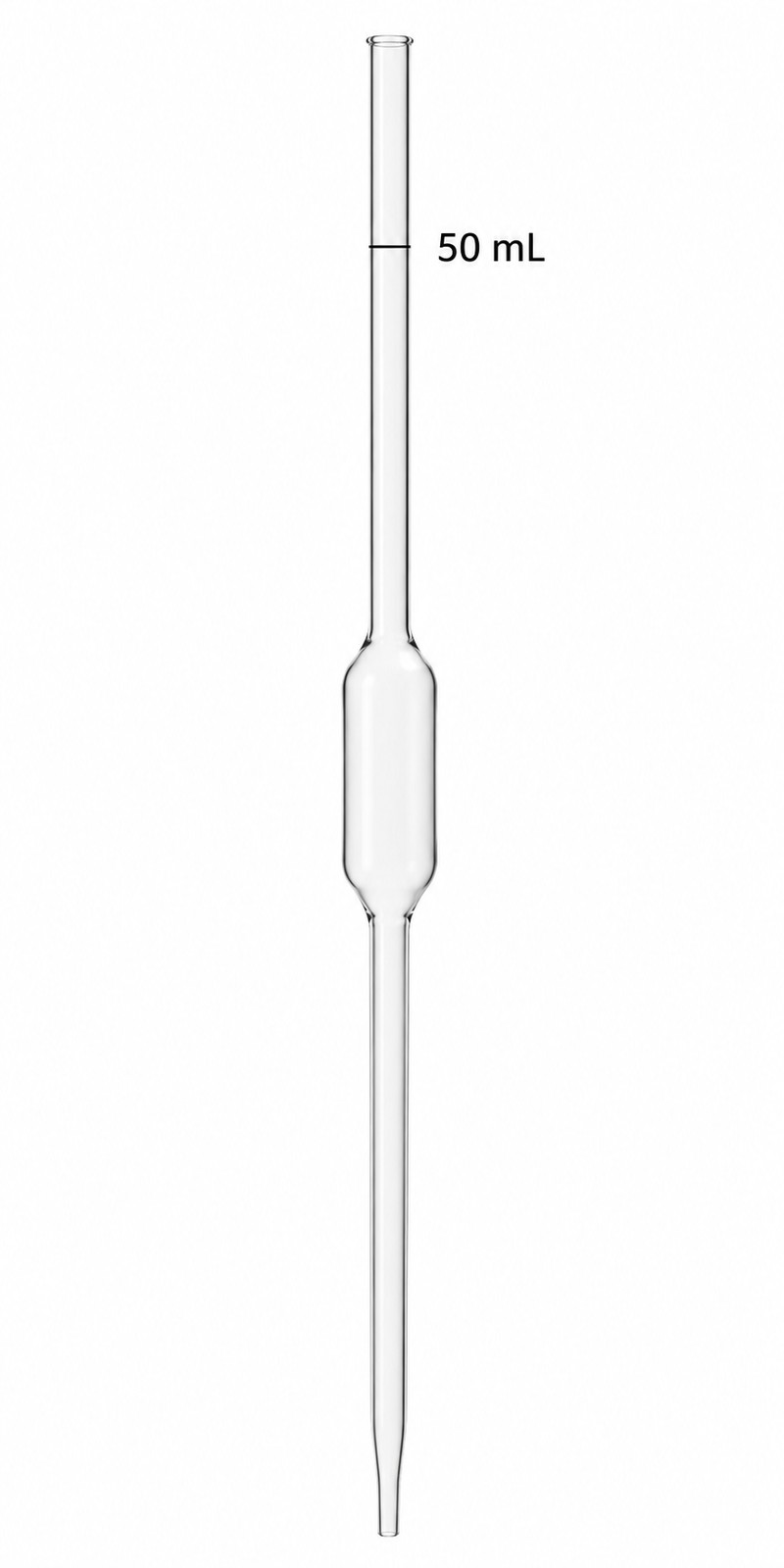
A student uses the piece of laboratory glassware shown below to measure exactly 50.00 mL of a solution. Which piece of glassware is shown?

Question image
AGraduated cylinder
BVolumetric pipet
CErlenmeyer flask
DBeaker
Explanation
📌 A volumetric pipet has a single graduation mark and is calibrated to deliver one exact volume (here, 50.00 mL) with very high precision (typically ±0.05 mL). The narrow neck and bulb shape are characteristic. Graduated cylinders have many marks (less precise); beakers and flasks are not for precision measurement.
Question 3 of 10
TEKS 1A-2DEasy

A student is investigating how the temperature of water affects how fast sugar dissolves. To make this a properly controlled experiment, what should the student do?

ARun each trial only a single time to save time, then average whatever results you happen to get at the very end
BUse a different amount of sugar at each temperature so you can see which temperature dissolves the most sugar the fastest
CUse the same mass of sugar and the same volume of water in each trial, varying only the water temperature
DVary both the water temperature and the stirring speed together in each trial so you can gather more data at once
Explanation
📌 In a controlled experiment, the independent variable (water temperature) is the ONLY thing that changes between trials. All other conditions — sugar mass, water volume, stirring, container — must stay constant. Otherwise, you can't attribute the observed effect to temperature.
Question 4 of 10
TEKS 5A-6EEasy Word Image

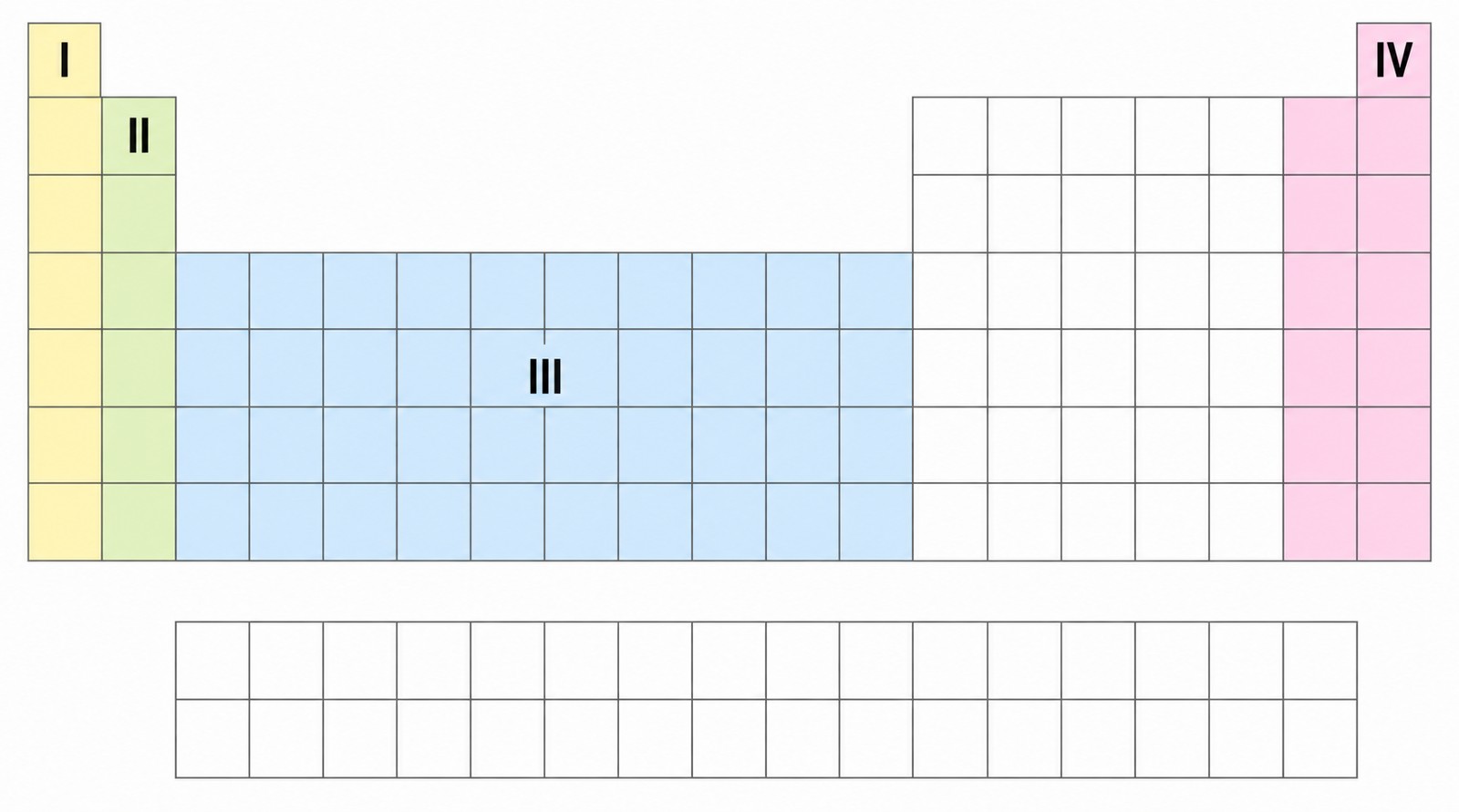
On the periodic table shown below, which highlighted region contains the TRANSITION METALS?

Question image
ARegion III
BRegion IV
CRegion II
DRegion I
Explanation
📌 Transition metals occupy the d-block — the wide central rectangle of the periodic table covering Groups 3 to 12, periods 4 to 7. Includes iron, copper, zinc, gold, silver, etc. They typically form multiple oxidation states (e.g., Fe²⁺ and Fe³⁺) and have colored compounds. Group 1 = alkali metals (Region I); Group 2 = alkaline earths (Region II); Groups 17/18 = halogens/noble gases (Region IV).
Question 5 of 10
TEKS 6A-7DMedium Word Image

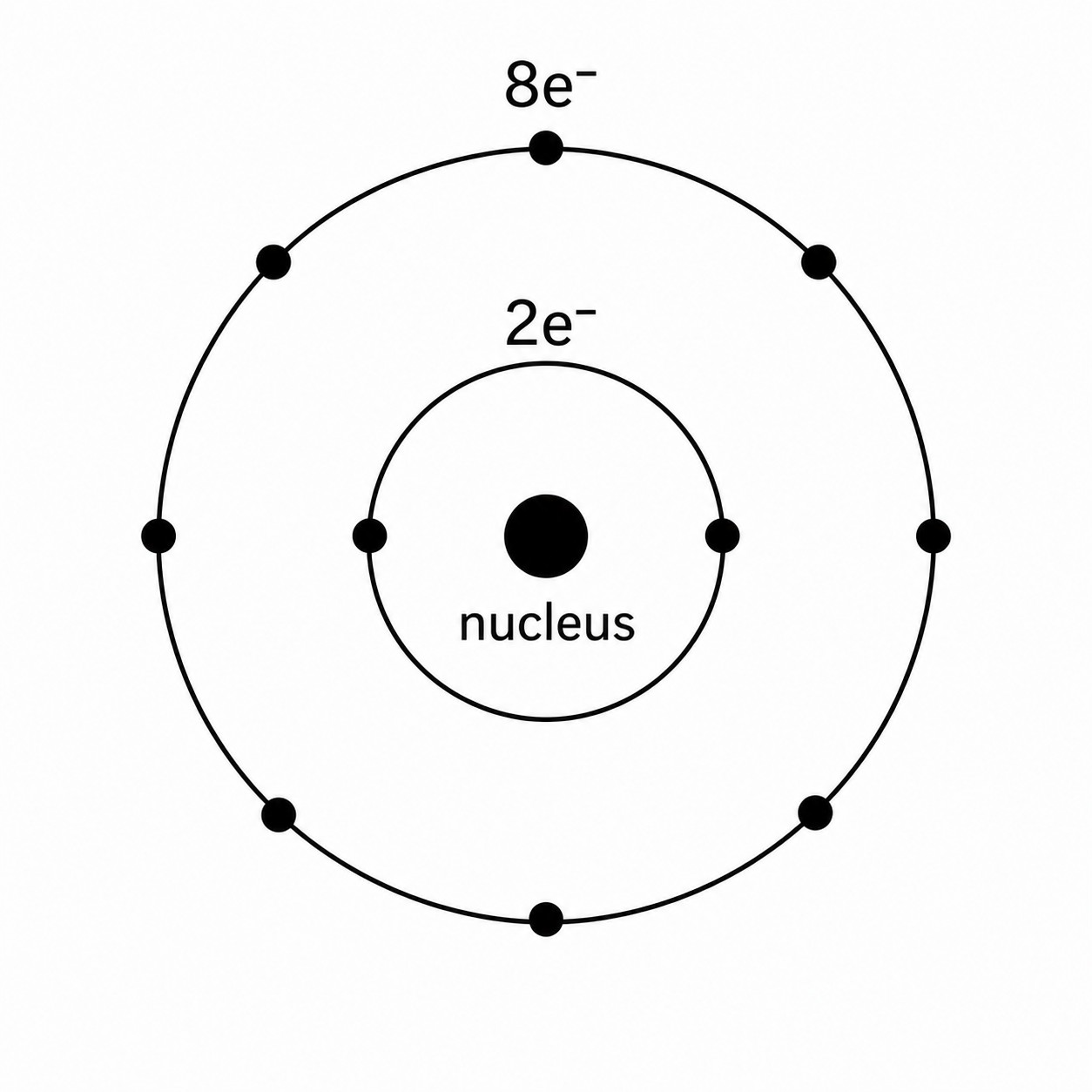
The Bohr model shown below represents a neutral atom. Based on the electron arrangement, which element does this model represent?

Question image
ANeon
BCarbon
COxygen
DSodium
Explanation
📌 Total electrons in the diagram: 2 + 8 = 10. For a neutral atom, electrons = protons, so atomic number = 10 → neon (Ne). Neon's electron configuration 1s²2s²2p⁶ has the same 2-then-8 shell filling shown. Sodium has 11 electrons (one more in the third shell).
Question 6 of 10
TEKS 5A-6EEasy Word Image

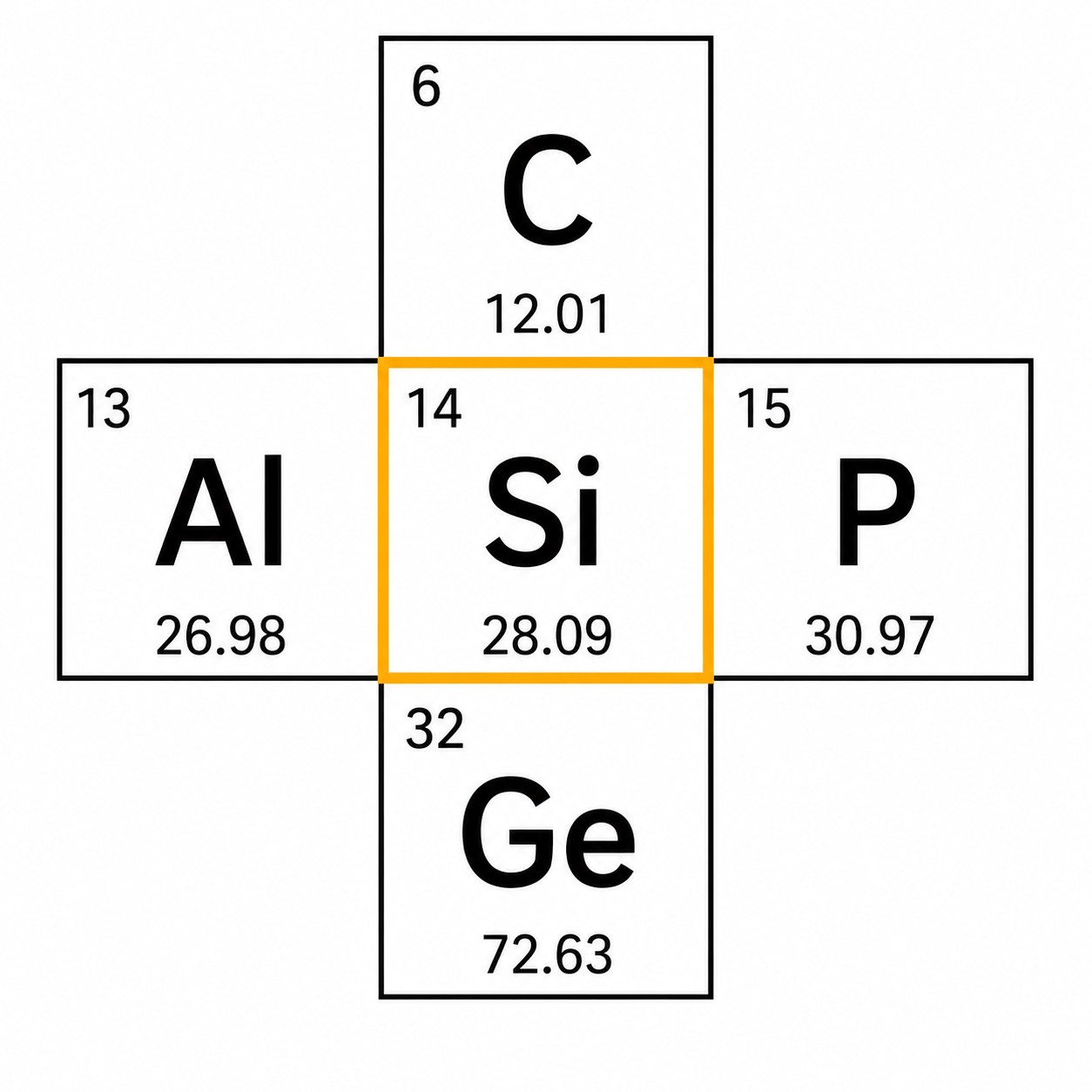
The element highlighted on the periodic table excerpt below is best classified as a:

Question image
AMetalloid
BNoble gas
CAlkali metal
DHalogen
Explanation
📌 Silicon (Si, atomic number 14) sits on the diagonal 'staircase' that separates metals from nonmetals on the periodic table — making it a metalloid. Metalloids (B, Si, Ge, As, Sb, Te) show mixed metal/nonmetal properties: they conduct electricity weakly (semiconductors). This is why silicon is the foundation of computer chips.
Question 7 of 10
TEKS 1A-2DEasy Word

Which piece of laboratory glassware is BEST for measuring 25.0 mL of a solution with the highest precision?

AA 250 mL Erlenmeyer flask
BA 100 mL beaker
CA 25 mL volumetric pipet
DA 50 mL graduated cylinder
Explanation
📌 Precision hierarchy for volume measurement (most → least precise): volumetric pipet/flask > buret > graduated cylinder > beaker > Erlenmeyer flask. A volumetric pipet is calibrated to deliver one specific volume (±0.02 mL) and is the gold standard for transferring exact amounts. Beakers and flasks are for approximate volumes only.
Question 8 of 10
TEKS 6A-7DEasy

Magnesium reacts with oxygen to form magnesium oxide (MgO). Based on the electron transfer in this reaction, MgO is best classified as which type of compound?

AIonic
BPolar covalent
CMetallic
DCovalent
Explanation
📌 Magnesium (a metal, group 2) transfers its two valence electrons to oxygen (a nonmetal, group 16), producing Mg²⁺ and O²⁻ ions. The opposite charges attract → ionic bond. Rule of thumb: metal + nonmetal with large electronegativity difference → ionic. Two nonmetals → covalent.
Question 9 of 10
TEKS 6A-7DEasy Word Image

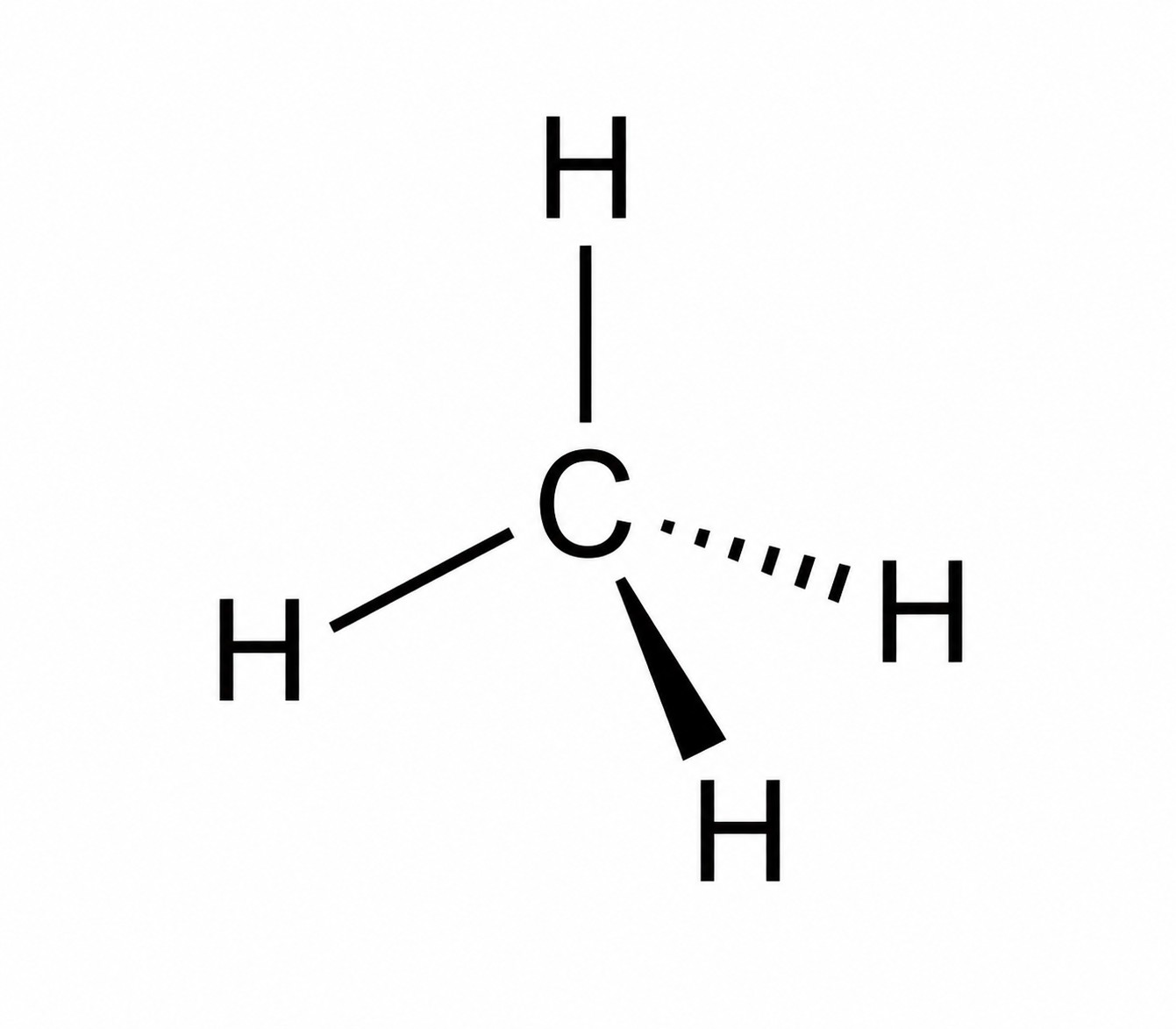
Based on VSEPR theory, which of the following best describes the shape of the methane molecule (CH₄) shown below?
Question image
ATetrahedral
BLinear
CBent
DTrigonal planar
Explanation
📌 In methane, the central carbon has 4 bonding pairs and 0 lone pairs. VSEPR predicts the four bonding pairs spread as far apart as possible → tetrahedral geometry with bond angles of 109.5°. Linear (2 groups), bent (2 bonds + lone pairs, like H₂O), and trigonal planar (3 groups, no lone pairs) describe other geometries.
Question 10 of 10
TEKS 6A-7DEasy Word Image

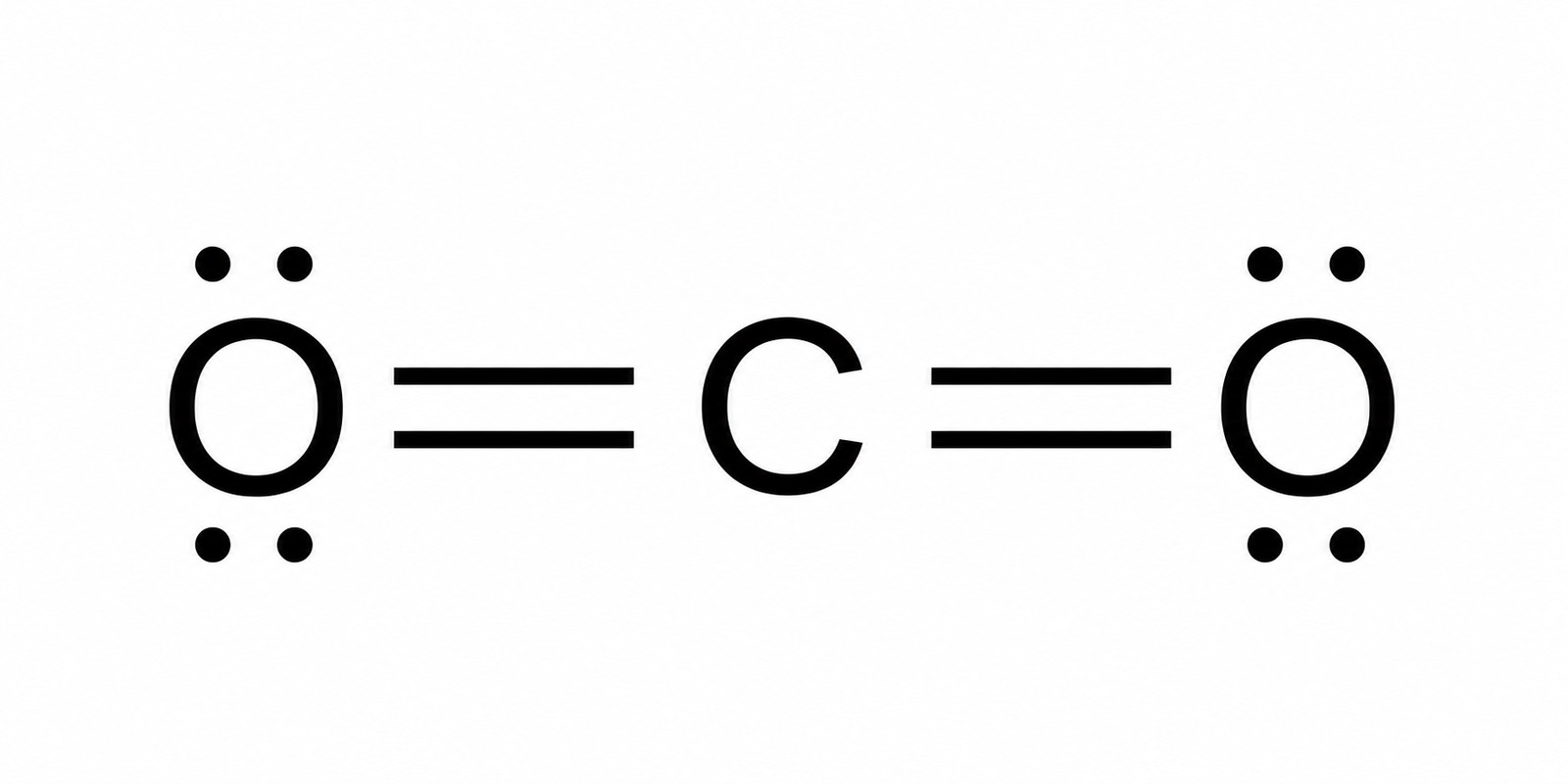
The Lewis structure shown below represents which molecule?
Question image
AOzone
BCarbon dioxide
CWater
DMethane
Explanation
📌 Two double bonds between a central C and two O atoms = CO₂. The total valence electrons (4 + 6 + 6 = 16) are arranged as: 2 double bonds (4 pairs shared = 8 e⁻) + 4 lone pairs on the oxygens (8 e⁻) = 16. Linear geometry, no lone pairs on C, double bonds on each side.

Score
Correct
Wrong
Try Again Exit